





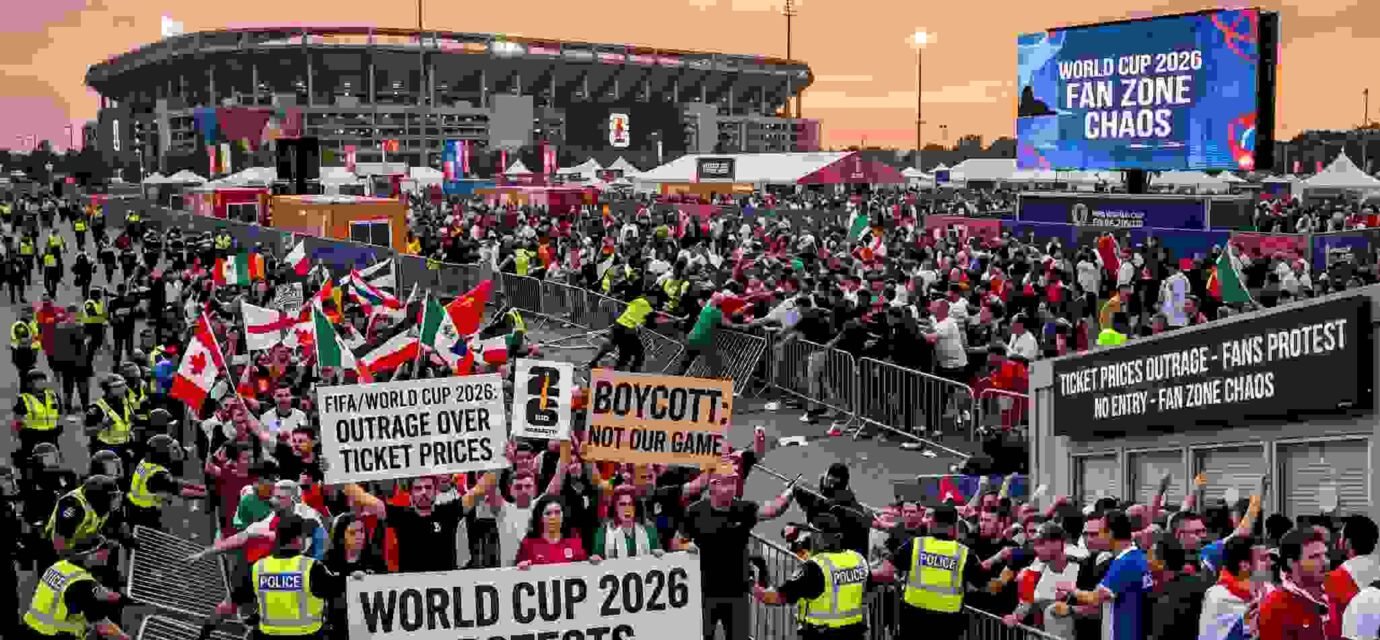
World Cup 2026 Opening Day: Protests and Controversies
Introduction
The FIFA World Cup 2026 kicked off with an electrifying opening day featuring performances by Shakira and Burna Boy, alongside a packed Estadio Azteca. However, not all was joyous in Mexico City, as various controversies emerged that marred the celebration. From protests to concerns over ticket prices, the festive atmosphere was punctuated by anger and contention.
Protests Dominate the Streets
On the opening day of the tournament, a significant protest took place as thousands of teachers marched through Mexico City. These educators, who had traveled from different regions of the country, demanded better salaries and reforms to pension laws. The timing of the demonstrations coincided with the World Cup, as the teachers aimed to leverage the international spotlight to bring attention to their grievances. For them, the World Cup was not merely about football; it was an opportunity to highlight critical social issues.
Fan Zones and Controversy
The atmosphere at the fan zones, particularly in Zocalo Square, was tense as authorities placed barriers to mitigate potential disruptions from ongoing protests. The fear was that the demonstrations could quickly shift from peaceful to chaotic, undermining the public screenings of the opening match. While many fans were excited to celebrate, the contrasting scenes of dissent created an uneasy atmosphere. The World Cup’s opening day therefore became a juxtaposition of sportsmanship and social struggle.
Conclusion
As the World Cup unfolds, the opening day controversies remind us that major sporting events often intersect with cultural and political issues. The protests and ticket-price outrage are not mere footnotes in this global football showcase, but rather essential narratives of the time. As fans revel in the sport, the realities outside the stadium reflect ongoing social tensions that cannot be overlooked.