




The 2026 World Cup Opener: From Glory to Chaos
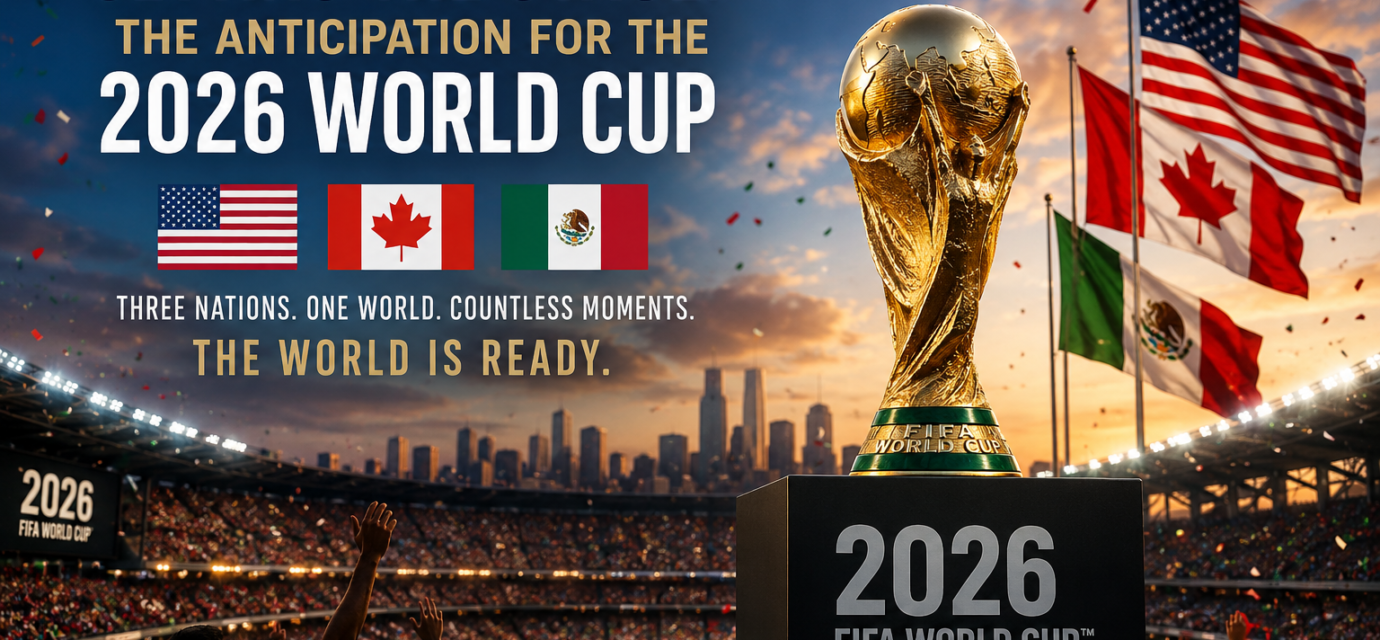
The countdown to the 2026 World Cup has begun, creating an atmosphere of excitement and anticipation that is palpable across the globe. With Mexico as one of the joint hosts alongside the United States and Canada, the tournament promises to not only celebrate the beautiful game but also to honor a rich footballing heritage. Mexico has previously hosted the World Cup in 1970 and 1986, establishing itself as a country deeply ingrained in football culture. The return to this vibrant nation is expected to resonate well with global fans, rekindling fond memories of past tournaments.
As countries prepare to compete on the international stage, expectations run high. Fan enthusiasm is immediately apparent, with supporters eagerly awaiting to see their national teams perform at the pinnacle of football excellence. The prospect of favorite teams like Brazil, Germany, and Argentina, alongside rising talents from other nations, creates a captivating backdrop for the opening match. Fans envision star players showcasing their skills, each aiming to etch their names in the annals of World Cup history.
The anticipation surrounding the inaugural match is also reflective of the unity that football fosters. As diverse fans converge in Mexico, the World Cup will be a celebration of global camaraderie, underscoring football’s ability to transcend borders. Alongside the excitement for the matches, spectators are keen to experience Mexican culture firsthand, from its rich culinary offerings to its warm hospitality.
In the lead-up to the grand event, Mexico is preparing diligently to ensure a smooth and memorable hosting experience. The collaborative efforts among the host nations demonstrate a commitment to delivering a remarkable World Cup, aimed at both showcasing the sport and enchanting the hearts of millions around the globe.
The Match Unfolds: Key Moments and Game Dynamics
The highly anticipated opener of the 2026 World Cup featuring Mexico against South Africa took place at the iconic Azteca Stadium, filled to capacity with 80,000 passionate fans. From the opening whistle, the intensity of the match was palpable, setting the stage for a thrilling contest between these two nations.
The game commenced with a swift exchange of possession, where both teams demonstrated their tactical setups. Mexico, under the guidance of their experienced players, aimed to utilize their attacking prowess, while South Africa looked to counter with disciplined defending and speedy transitions. The atmosphere ignited in the 16th minute when Julián Quiñones found himself in the right position, receiving a precisely timed through ball. With a deft touch, he evaded the defenders and struck a powerful shot into the bottom corner, sending the Mexican supporters into a frenzy.
Just minutes later, the dynamics of the match shifted again when Raúl Jiménez doubled Mexico’s lead. A beautifully orchestrated move orchestrated by the midfield opened space for Jiménez inside the penalty area. His composed finish showcased not only his skill but also Mexico’s intent to assert dominance early on in the match. South Africa, now trailing, was forced to adapt, pushing forward in search of a critical response.
The subsequent phases of play revealed the resilience of the South African side, as they regrouped and transitioned into an aggressive style. Their attacking efforts led to multiple near-misses, creating a sense of unease among the Mexican ranks. Despite the pressure, the tactical discipline of the Mexican defense remained resolute for the duration of the first half, underlining the critical nature of organization in high-stakes matches.
As the game progressed, the quality of play highlighted the skill and determination of both teams, reminding fans of the unpredictable nature of sport, where key moments could turn the tide at any instant.
A Historic Chaos: The Red Cards and Their Implications
The 2026 World Cup opener will be remembered not only for its excitement but also for the unprecedented chaos that unfolded on the pitch. Normally, red cards are a rarity in the World Cup, yet this match showcased a troubling trend with three players receiving their marching orders—Sphephelo Sithole and Themba Zwane from South Africa, alongside César Montes from Mexico. Each of these incidents not only affected the dynamics of the match but also sent shockwaves throughout the tournament.
Sphephelo Sithole’s dismissal came just moments before halftime, during a heated confrontation that escalated quickly. The referee determined that Sithole’s tackle was excessive, leading to his immediate ejection. This incident set the tone for a second half filled with tension, not least because Sithole’s absence deprived South Africa of a vital defensive component.
Meanwhile, Themba Zwane, who is usually a pivotal playmaker, also found himself facing the referee’s wrath shortly thereafter. His second yellow card, leading to a red, underscored the frustrations mounting within South Africa’s ranks, as they scrambled to adjust strategies. With two key players off the field, the South African team was undeniably handicapped, shifting their initial game plan into disarray.
César Montes’s red card for Mexico occurred in the aftermath of a contentious decisions by the officiating crew, illustrating how controversial calls could influence the match’s outcome. As tensions rose, referees faced greater scrutiny, drawing comparisons to past World Cups, where aggressive play often resulted in increased disciplinary actions. This match not only sidelined pivotal players but shifted the focus from an anticipated battle on the scoreline to the contentious issues surrounding officiating and disciplinary measures.
The aftermath of these send-offs has significant implications as teams consider their tactical approach moving forward. Knowing that their performance might be scrutinized under the lens of aggressive play, coaches will have to balance the spirit of competition and discipline, marking a pivotal moment in the tournament’s narrative.
Referee Decisions and Match Control: A Double-Edged Sword
The officiating during the 2026 World Cup opener, presided over by referee Wilton Sampaio, ignited a fervent debate among players, coaches, and analysts alike. Throughout the match, Sampaio’s decisions played a pivotal role, as both teams sought to dominate their strategy and execution. However, it quickly became apparent that his approach to match control was a double-edged sword, at times stifling the rhythm of play while simultaneously striving to maintain fairness and order on the field.
Sampaio’s officiating sparked contention among players who argued that certain calls disrupted the game’s flow. Critics noted that the over-reliance on free kicks and cautions, while necessary for maintaining discipline, often led to interruptions that hindered both teams’ abilities to build momentum. Conversely, advocates for Sampaio’s style contended that strict enforcement was critical given the high stakes of the tournament, emphasizing that a tightly controlled match could prevent unsportsmanlike conduct and potential injuries.
Furthermore, reactions from coaches reflected a spectrum of opinions on Sampaio’s methods. Some expressed concerns that his decision-making undermined their tactical plans, while others praised his willingness to enforce the rules even in moments of heightened tension. It is essential to recognize that the responsibilities borne by a referee extend beyond merely dispensing penalties; they must also facilitate the game’s spirit and continuity. Such balancing acts place referees, including Sampaio, at the center of scrutiny, leading to polarized responses regarding their impact on match dynamics.
Ultimately, the opener provided a glimpse of the challenges referees may encounter as the tournament progresses. The mix of control and permitting natural flow reflects the ongoing dialogue about officiating, and this will likely remain a focal point in examining the broader implications of referee decisions throughout the World Cup.