




The Evolution of Fan Engagement at the 2026 World Cup
Changing Dynamics of World Cup Viewing
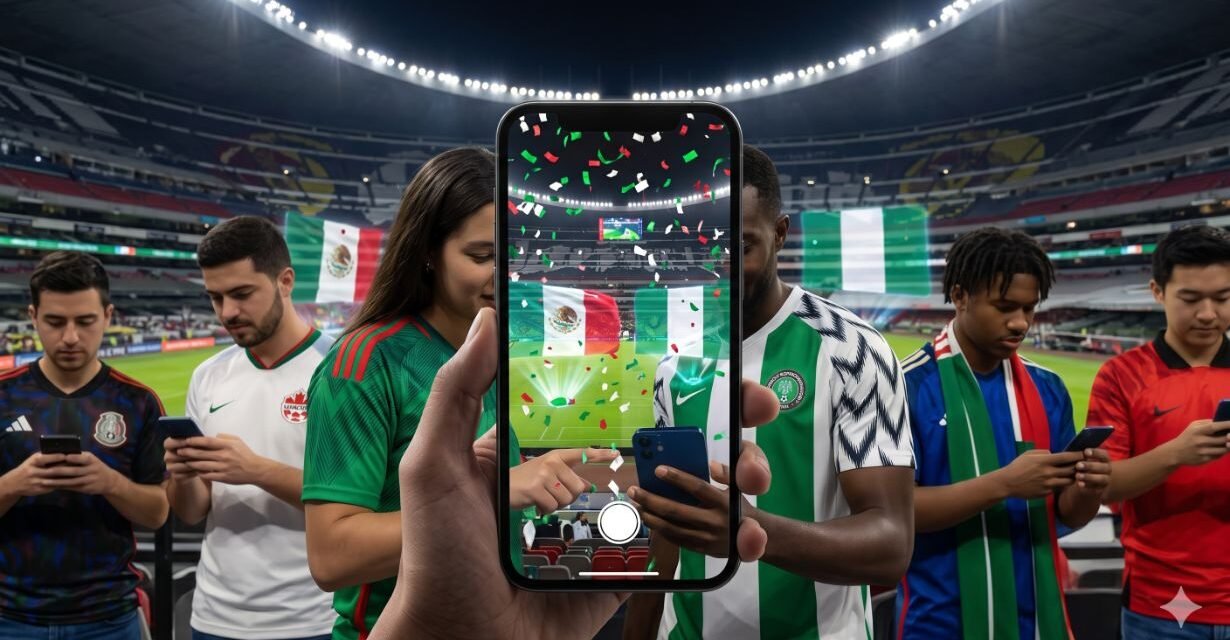
The 2026 World Cup is set to transcend traditional boundaries of fan interaction, significantly shifting how supporters engage with the tournament. Unlike previous eras, fans are now experiencing World Cup matches not just in stadiums or through televisions, but on myriad digital platforms using their smartphones.
Instant Reactions and Social Media Influence
Social media plays a pivotal role in shaping the discourse around the tournament in real-time. The experiences of fans during matches are amplified through platforms like TikTok and X, where a moment captured can go viral within seconds. For instance, the opener between Mexico and South Africa sparked conversations not only about gameplay but also surrounding controversies, such as multiple red cards. This immediacy allows fans to react, dissect, and create content that circulates faster than traditional journalism can keep pace with.
The Fan-Centric Narrative
What was once a linear narrative, where analysis followed the match, has been disrupted. Fans are now the ones creating stories, often putting their unique spin on events that unfold. They are pursuing off-field discussions, such as Thomas Partey’s visa issue, that dominate online discussions just as much as on-pitch performances. The collective voice of the audience is reshaping narratives, providing a platform for moments that resonate with them, rather than relying solely on sponsors or media.
As social interactions grow, fans’ holistic engagement at the 2026 World Cup illustrates a paradigm shift. The tournament is now not only an event of sport but also a rich tapestry woven through the voices of millions, highlighting the powerful role social media has come to play in modern football fandom.