





Ready for the 2026 FIFA World Cup: Controversies, Expectations, and Key Questions
The Build-Up to the 2026 FIFA World Cup
The excitement surrounding the 2026 FIFA World Cup is palpable as preparations intensify across the host nations: the United States, Canada, and Mexico. This groundbreaking tournament is set to expand beyond previous formats, allowing 48 teams to participate instead of the traditional 32, which promises to increase both the competitiveness and diversity of the event.
Significant infrastructural developments are underway to ensure that venues meet international standards for hosting such a prestigious tournament. Notably, over 16 cities across the three countries have submitted bids to host matches, with stadiums being evaluated based on capacity, facilities, and accessibility. Cities like New York, Los Angeles, Toronto, and Mexico City are anticipated to be at the forefront, showcasing the best of each nation’s capability to deliver world-class football experiences.
Moreover, the infrastructure enhancements extend beyond stadiums. Transportation systems are being upgraded to accommodate the influx of international fans, and numerous initiatives are being implemented to enhance the overall spectator experience, from fan zones to hospitality services. Organizers are particularly focused on the notion of fan engagement; innovative technologies are being introduced to ensure that supporters can enjoy a seamless experience whether they are in the stadium or watching from afar.
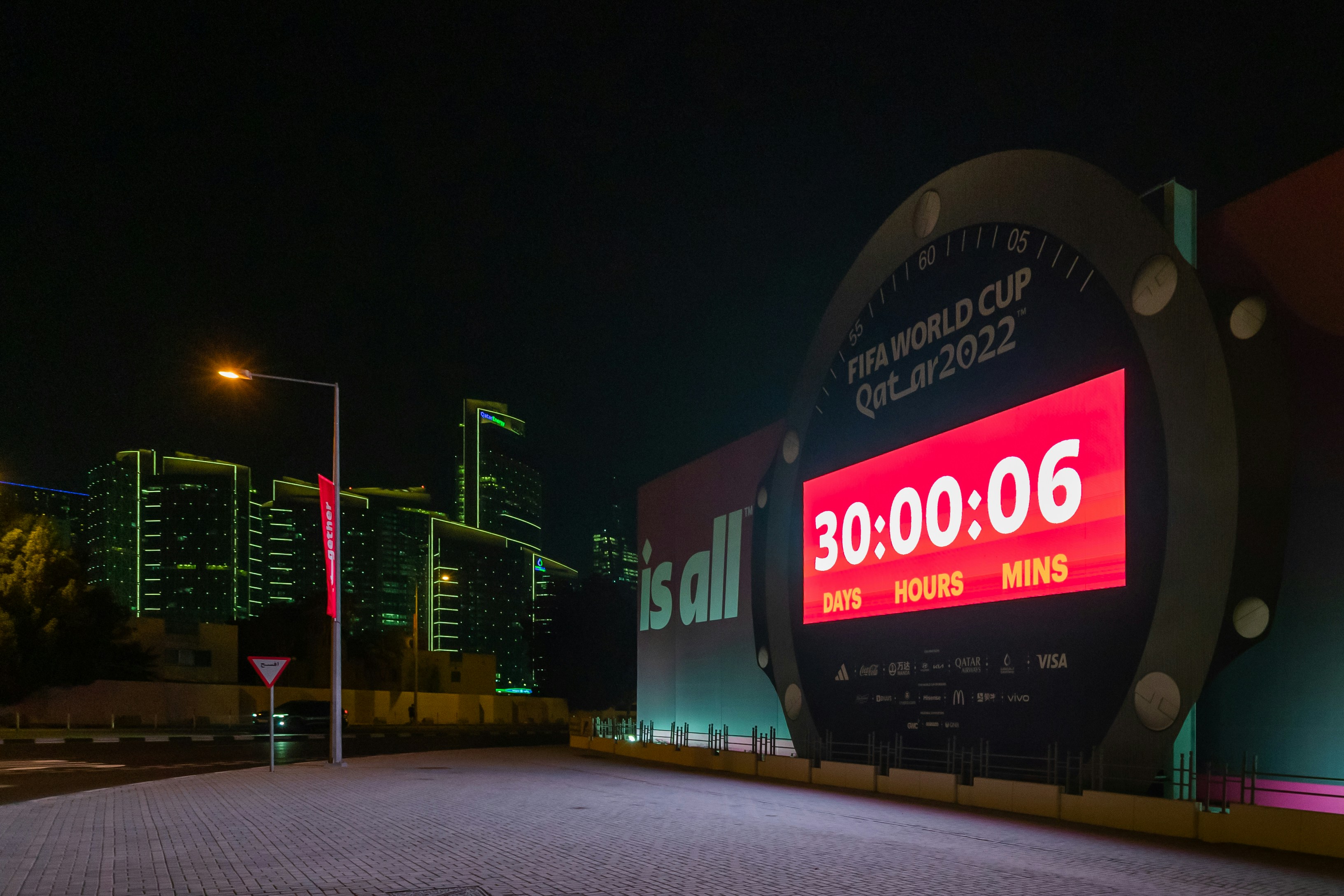
This World Cup also represents a historic gathering of diverse cultures, given the cooperation between the three host nations. The collaborative efforts of the FIFA and local organizing committees reflect a commitment to celebrate football’s role in uniting communities. As the countdown to the tournament continues, expectations grow for what promises to be an unforgettable celebration of sport and international camaraderie.
Controversies Surrounding the Tournament
The road to the 2026 FIFA World Cup has not been without its share of controversies, as various political, social, and environmental concerns have emerged in the lead-up to the tournament. One of the primary points of contention revolves around the governance of FIFA and the decision-making processes surrounding the selection of host countries. Critics have raised questions about the transparency of FIFA’s bidding processes, particularly after previous allegations of corruption that marred the organization’s reputation.
Additionally, the political landscape in the North American host countries—namely the United States, Canada, and Mexico—has also influenced public perception. Issues such as immigration policy, racial tensions, and regional disparities have sparked discussions about accessibility and inclusion during the event. Experts argue that these matters could overshadow the tournament’s sporting spirit, affecting attendance and fan engagement.
Worker rights and labor conditions have surfaced as pressing issues, especially concerning the construction and infrastructure developments necessary for hosting such a significant event. Advocacy groups have pointed to labor rights violations in previous tournaments and urged FIFA to adopt stricter standards to ensure the health and safety of workers involved. Many fans and stakeholders in the football community have joined calls for better oversight to ensure ethical practices across all levels of labor involved in the tournament preparations.
Furthermore, environmental factors present another layer of complexity. The vast scale of the World Cup necessitates considerable resource consumption, leading to concerns about sustainability practices and ecological impacts. Questions arise regarding how the tournament can balance the excitement of hosting globally recognized matches while minimizing its carbon footprint. Stakeholders are increasingly advocating for environmentally friendly practices to mitigate adverse effects associated with the tournament.
Expectations for the Tournament: Teams and Players to Watch
The anticipation surrounding the 2026 FIFA World Cup continues to build as teams prepare to compete in what promises to be an unforgettable tournament. Among the favorites, Germany, Brazil, and France are expected to be formidable contenders based on their rich football histories and robust player rosters. Germany’s strategic prowess and Brazil’s flair consistently set high expectations, while France, boasting a blend of youth and experience, continues to impress on the international stage.
Analyzing past tournaments, we notice that teams with a strong blend of seasoned players and emerging talent often outperform their competition. For instance, during the 2018 World Cup, the agility and creativity of players like Kylian Mbappé were crucial for France, leading them to triumph. Hence, as we look ahead, distinguishing key players who could replicate such performances becomes vital.
Emerging talent that fans should watch includes players such as Jude Bellingham of England and Pedri from Spain. Both have demonstrated exceptional skill and maturity beyond their years, aiding their respective national squads significantly. Bellingham’s influence in midfield can reshape England’s approach to matches, whereas Pedri’s vision and control could be instrumental in dictating play for Spain.
The 2026 World Cup is also expected to feature surprise elements, with several teams showcasing promising talents that could shift the tournament dynamics. Nations such as the United States and Canada are progressively developing their football programs, potentially uncovering players who can leave a mark globally. Emerging trends indicate a shift in player development, emphasizing technical skill and adaptability, suggesting a more competitive landscape at the tournament.
As these teams and players gear up for the World Cup, fans will undoubtedly witness exhilarating football that captures the spirit and excitement of the tournament, paving the way for memorable moments in football history.
Key Questions Facing FIFA and the Football Community
As the countdown to the 2026 FIFA World Cup begins, several pressing questions emerge that not only concern FIFA but also resonate deeply within the football community. A fundamental area of inquiry revolves around the future of football governance. With an increasing spotlight on transparency and accountability, stakeholders are eager to understand how FIFA plans to address long-standing concerns about corruption and decision-making processes in the realm of international football.
Moreover, the integration of technology in football continues to evoke significant debate. The role of Video Assistant Referee (VAR) technology has sparked numerous discussions on its efficacy and impact on the game. As the World Cup approaches, experts are considering how VAR may evolve, particularly in its application during high-stakes matches. Will FIFA implement any additional changes to enhance the technology’s effectiveness? Will this innovation increase fairness in officiating, or will it further complicate match dynamics?
Another critical consideration is the socio-economic impact of hosting the FIFA World Cup, especially given the expansive footprint of the upcoming tournament across multiple nations. Local economies, infrastructure developments, and community effects are hot topics in discussions about the benefits and challenges that come with hosting such a colossal event. How will FIFA ensure that these benefits extend to a wider population, and what measures are being taken to mitigate any potential negative repercussions?
Inclusivity and fairness remain paramount issues as FIFA aims to present a tournament that represents the global football community. Engaging with fans’ sentiments and the opinions of various stakeholders will be crucial in shaping a World Cup that is not only memorable but also equitable. How will diversity be ensured in teams and representation? What policies might be employed to foster an environment of inclusivity throughout the tournament?